

Key actors — tap for context
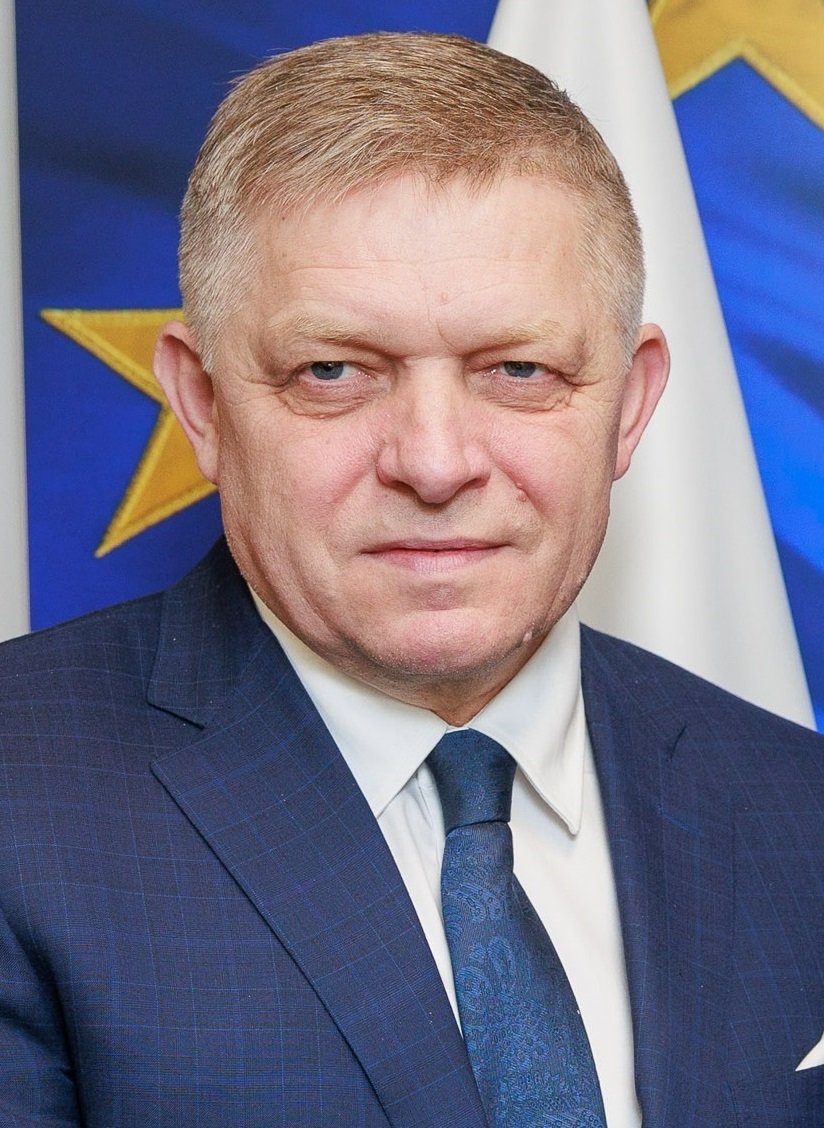
François Wu
Taiwan's deputy foreign minister, career diplomat
Why here: In an interview with Euronews, he warned that a Chinese attack on Taiwan would also affect European chip supplies.
Mao Ning
Spokesperson for China's Ministry of Foreign Affairs
Why here: When asked about sanctions against German MPs, she said that whoever crosses the "red line" on Taiwan will pay the price.

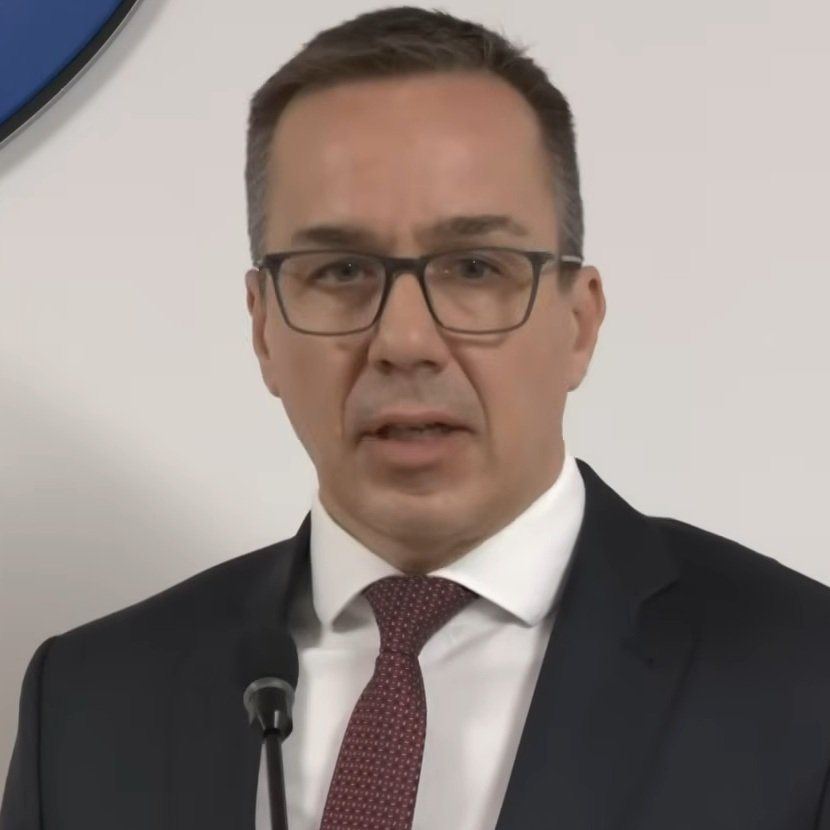
Miloš Vystrčil
Speaker of the Czech Senate
Why here: Just visited Taiwan and received an award there, which Beijing sharply condemned.
More info →TSMC
The world's largest chipmaker, headquartered in Taiwan
Why here: Building a factory in Dresden, Germany, which will also be supplied by the new Taiwanese supply chain in Czechia.
What Taipei says
In an exclusive interview with Euronews, Wu did not speak in the language of diplomatic notes. "Taiwan would be in a terrible situation — but so would you," he told Europeans. His argument is not moral but logistical: a blockade of the Taiwan Strait would cripple supply chains across the entire planet in a single stroke. By his estimate, around 60,000 containers pass through the strait, supposedly three times the combined traffic of the Panama and Suez canals. Euronews ↗And chips are not only Taiwanese. "All of Europe is inside that one square centimeter of silicon," Wu pointed out — without Dutch lithography machines, German Zeiss optics, French Air Liquide industrial gases, and Belgian IMEC design tools, no Taiwanese chip would exist. The dependence is thus mutual, and that is precisely the angle Taipei wants to push in Europe. "Europeans are beginning to realize that we cannot let China choose our friends for us," Wu added, offering to share Taiwanese know-how with "democratic countries." Euronews ↗
Beijing's heavy hand
While Taipei speaks of partnership, Beijing shows the other side. On Thursday morning, two Chinese government vessels — the patrol boat Sansha Zhifa 301 and the supply ship Sansha 2 — sailed into the prohibited waters around Taiping Island, which Taipei administers in the South China Sea, for the first time. They approached to within 2.1 nautical miles, sharply changed course twice in a manner that, according to Taiwan's coast guard, endangered its crew, and sailed away after fifteen minutes and warnings. Der Spiegel ↗ Taipei Times ↗The incident is not isolated. It is part of a "special naval operation" that China launched in retaliation for Japan and the Philippines opening negotiations on maritime borders east of Taiwan — we wrote about it last week. At the same time, the pressure has spilled over into European parliaments. Asked whether Bundestag members face sanctions after their visit to Taiwan, Chinese Foreign Ministry spokesperson Mao Ning replied: "Whoever crosses the red line on Taiwan must pay the price." Germany's Tagesspiegel called it "a systematic approach" — Beijing similarly punished a recent New Zealand delegation. Tagesspiegel ↗
The Czech hook
For Slovak and Czech readers, the story has a concrete domestic dimension. While domestic media picked up the Taiping incident as a wire report, the dependence Wu talks about is taking shape near Žatec. The Taiwanese company TaMiCo Zatec wants to build a plant for cleaning and surface treatment of semiconductor manufacturing components in the Triangle industrial zone, for nearly CZK 914 million — with completion in 2027 and up to a hundred jobs. e15 ↗It is not alone. Another Taiwanese company, i-TRANS Global, is planning a European logistics center for chip chemicals, and the CzechInvest agency says it is in talks with several Taiwanese manufacturers — a supply chain that is also meant to supply TSMC's new plant in Dresden, Germany. Seznam Zprávy ↗ A political dimension was added by the Speaker of the Czech Senate, Miloš Vystrčil, who just visited Taiwan and received an award there, which Beijing sharply condemned. Central Europe thus finds itself — through both chips and politics — right on the dividing line Wu is talking about.
Limits of this view
It's worth acknowledging where this angle comes from. Wu is a Taiwanese diplomat, and his job is to convince Europe that its fate is bound up with Taiwan's; the framing "it will hit you too" serves Taiwan's interest in deeper ties. Euronews Next, moreover, naturally frames the topic through technology and supply chains, where "de-risking" from China is a recurring theme. The dependence is real, but not immutable — TSMC is building in Dresden as well as in Arizona, and the European Union has its own Chips Act; diversification, however, is a matter of years, not months. And once again, the Chinese side is heard only through a Taiwanese lens: Beijing frames the incidents near Taiping as a response to a Japanese-Philippine "provocation," not as unilateral aggression.What hotinfo is watching
- Whether, after the Bundestag and New Zealand, other European parliaments speak up about Chinese pressure
- Progress on the construction of TaMiCo and i-TRANS in the Triangle zone (target 2027) and further CzechInvest talks with Taiwanese companies
- Whether China's "special naval operation" near Taiping turns from a one-off incursion into permanent patrols
- The ramp-up of TSMC's plant in Dresden, Germany, and the next milestones of the European Chips Act