
Key actors — tap for context

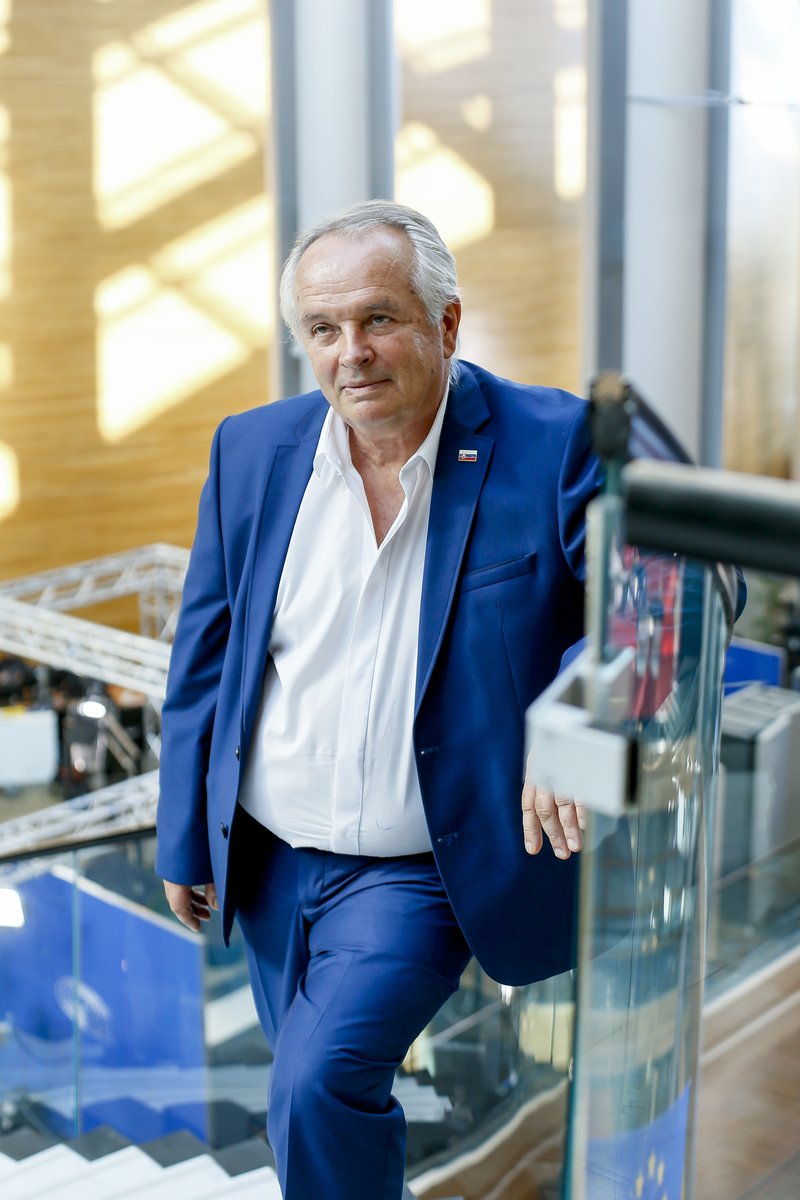
Gitanas Nausėda
Lithuanian president, in office since 2019
Why here: confirmed the drone was shot down and thanked allied forces for their swift response
More info →
Mette Frederiksen
Danish prime minister, leader of the Social Democrats
Why here: called the helicopter incident a reckless act against Danish forces
More info →
Lars Løkke Rasmussen
Danish minister of foreign affairs
Why here: summoned the Russian ambassador and called the incident completely unacceptable
More info →Vladimir Barbin
Russian ambassador to Denmark
Why here: placed the blame on the Danish helicopter, which he claimed had acted provocatively


Ursula von der Leyen
president of the European Commission
Why here: condemned Russia's behavior after both incidents as reckless and dangerous
More info →
AIVD
Dutch civilian intelligence and security service
Why here: assisting police in investigating the rail sabotage
More info →
ProRail
manager of Dutch railway infrastructure
Why here: found the pipes on the tracks and reported signaling faults
More info →Three incidents, three different tools
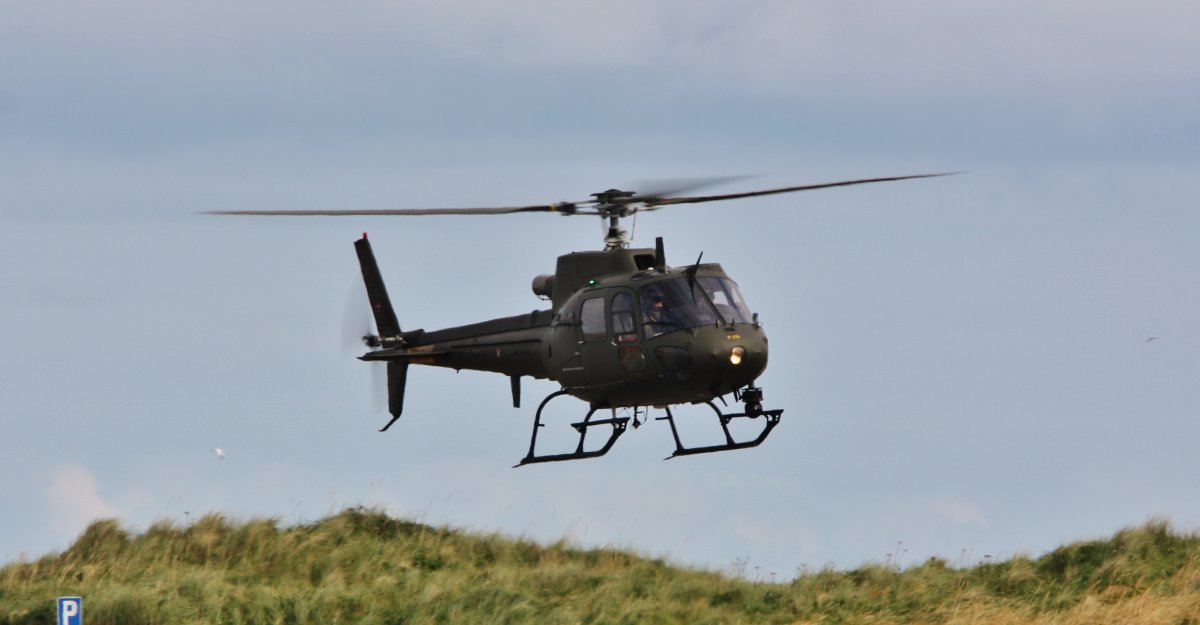
Lithuania responded with force. The drone moved through its airspace for about half an hour, flying along the edge of populated areas, before fighter jets from the Baltic Air Policing mission shot it down. Authorities found debris from it, and according to available reports it likely carried an explosive charge. A specialist who examined it and spoke to public broadcaster LRT said it was most likely a drone of Russian design. However, Vilnius has not officially determined its origin and says only that the aircraft probably flew in from Belarus. LRT ↗ Wirtualna Polska ↗Denmark responded diplomatically. According to the Danish armed forces, a Fennec-type helicopter of the Danish air force was routinely photographing a Russian frigate in international waters near Gedser on Monday. Two flares were fired from the ship, one of which flew close past the aircraft. No one was injured and the helicopter was not damaged. Foreign Minister Lars Løkke Rasmussen called the incident completely unacceptable, since it could have endangered human lives, and his ministry summoned the Russian ambassador. aktuality.sk ↗
The Alliance added its own statement, calling the shooting irresponsible. On Tuesday, however, Russian Ambassador Vladimir Barbin flipped the narrative, claiming that it was the Danish helicopter that had acted provocatively. Berlingske ↗ HN ↗
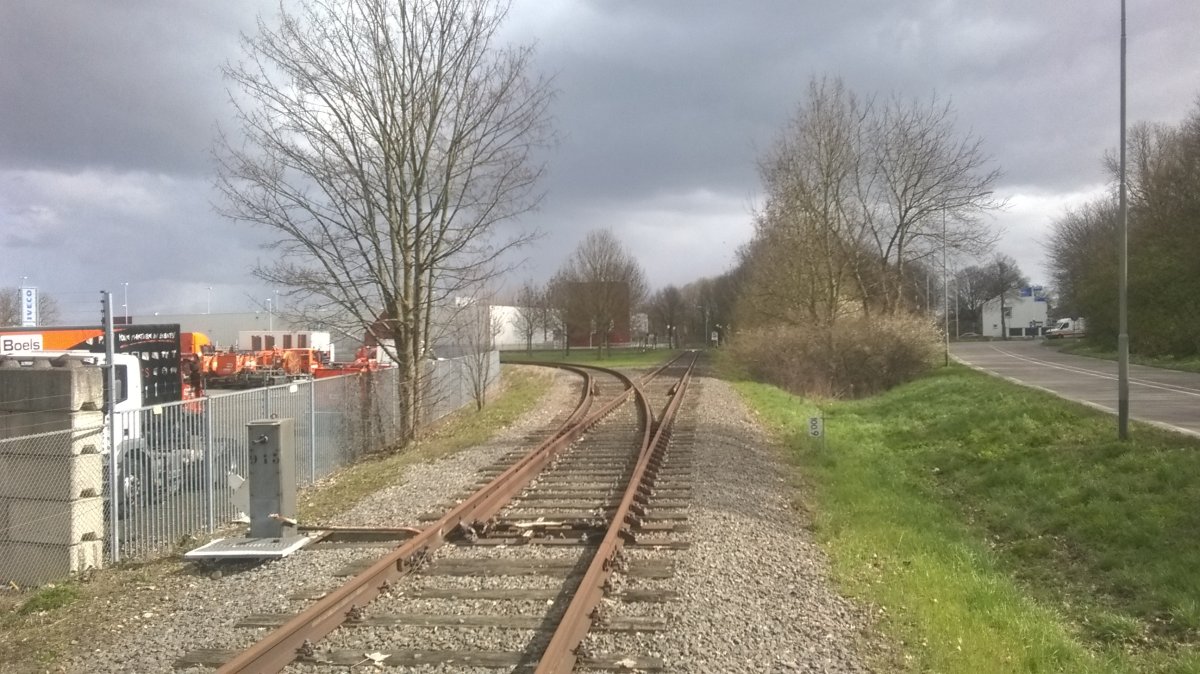
The Netherlands responded with an investigation. An unknown perpetrator attached steel pipes to the rails. These triggered the safety systems that track the presence of trains, and signals switched to red. The pipes themselves were found at more than twenty locations, but according to the Swiss newspaper Tages-Anzeiger, signaling faults appeared at more than thirty points across the network. A train near Steenwijk struck the material and no one was injured. Prime Minister Rob Jetten called the action life-threatening. Alongside the police, the civilian intelligence service AIVD is also investigating the case, and no one has yet claimed responsibility for the act. NL Times ↗ De Morgen ↗
The gap between the incident and the name
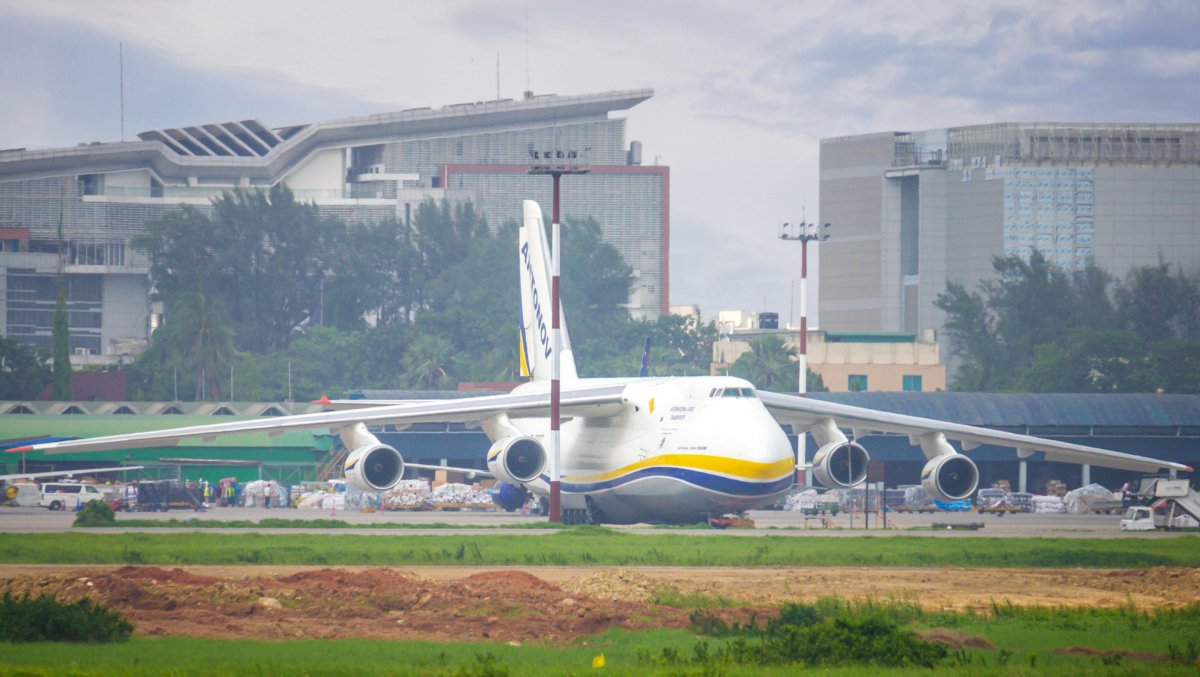
In none of the three cases has a formal accusation been made so far. In Lithuania's case the perpetrator is unknown and authorities are sticking to the word "probably"; in the Netherlands even the motive is unknown; and in Denmark's case the perpetrator has been identified, yet the response has been to summon the ambassador and condemn the behavior, not to allege intent.How long that gap lasts, and what happens once it closes, is shown by the German case. A drone carrying explosives was found at Leipzig/Halle Airport in early August, near a Ukrainian cargo plane. A name was not given until September 1, when Interior Minister Alexander Dobrindt declared that "the police investigation, the pattern of the act, and intelligence findings demonstrate Russian responsibility for the attempted attack at Leipzig airport." Four weeks thus passed between the incident and the accusation. Defense News ↗
The consequences came quickly after the accusation, and they are exactly what makes attribution costly. Germany announced it would close the Russian consulate general in Bonn by September 18 and terminated the lease for the Russian House of Science and Culture in Berlin. Russian President Vladimir Putin called those steps a gross mistake and accused the German government of fabricating evidence. Defense News ↗
Read also: According to documents, Germany knew of his ties to the GRU upon his arrival
The reason for the slowness is practical. Attribution is a legal and intelligence act with consequences, ranging from consultations with allies through sanctions tools to the criminal prosecution of specific individuals, so a state only makes it once the evidence will hold up in court or at the negotiating table.
Political condemnation comes faster and is cheaper. On Tuesday, European Commission President Ursula von der Leyen condemned Russia's behavior after both the Lithuanian and Danish incidents as reckless and dangerous. But that is not the same as attribution: what is condemned is a pattern of behavior, not a specific act by a specific perpetrator, and no legal consequence follows from such a statement. HN ↗
Why this is not just a distant Baltic concern
For Slovakia, what matters is the type of targets involved. The Dutch sabotage hit the railway during the morning rush hour, the Leipzig case hit an airport, and the Lithuanian drone flew along the edge of populated areas. These are the same types of targets that Slovakia's own network has, and the response to them does not depend on NATO membership, but on how quickly a state can investigate and name an incident.*Illustrative photo: an AS550 Fennec helicopter of the Danish air force, Ronnie Robertson, CC BY-SA 2.0, Wikimedia Commons.*
What hotinfo is tracking
- Litva oficiálne určila pôvod dronu zostreleného 15. septembra 2026.
- Holandská polícia alebo AIVD obvinili konkrétnu osobu či skupinu zo sabotáže na železnici.
- Dánsko posunulo odpoveď od predvolania veľvyslanca k tvrdeniu o úmysle ruskej strany.
- Niektorý členský štát požiadal pre tieto incidenty o konzultácie spojencov podľa článku 4 Severoatlantickej zmluvy.
- Po atribúcii niektorého z incidentov nasledovali diplomatické následky, teda vyhostenia alebo zatvorenie zastúpení.