






Key actors — tap for context

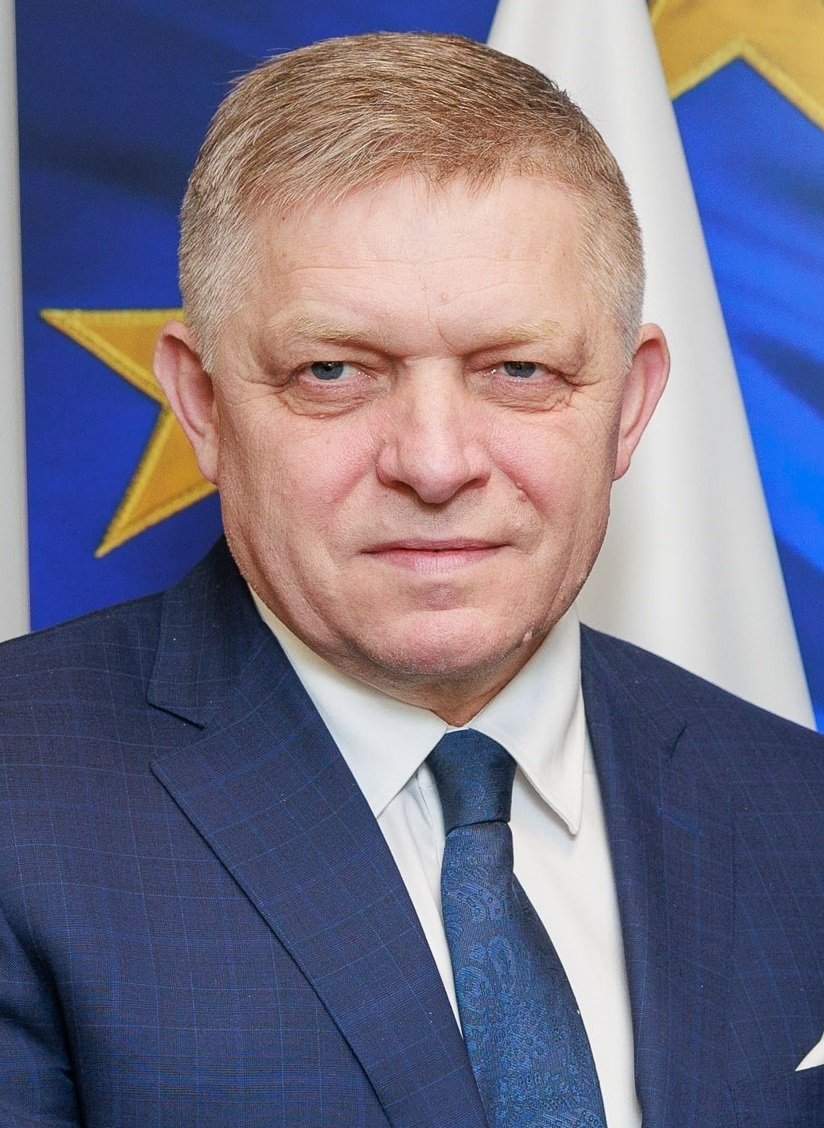
Tamás Sulyok
Hungarian president, who took office back in the Orbán era
Why here: refuses to leave, says the proposal violates the principle of the general applicability of law
More info →
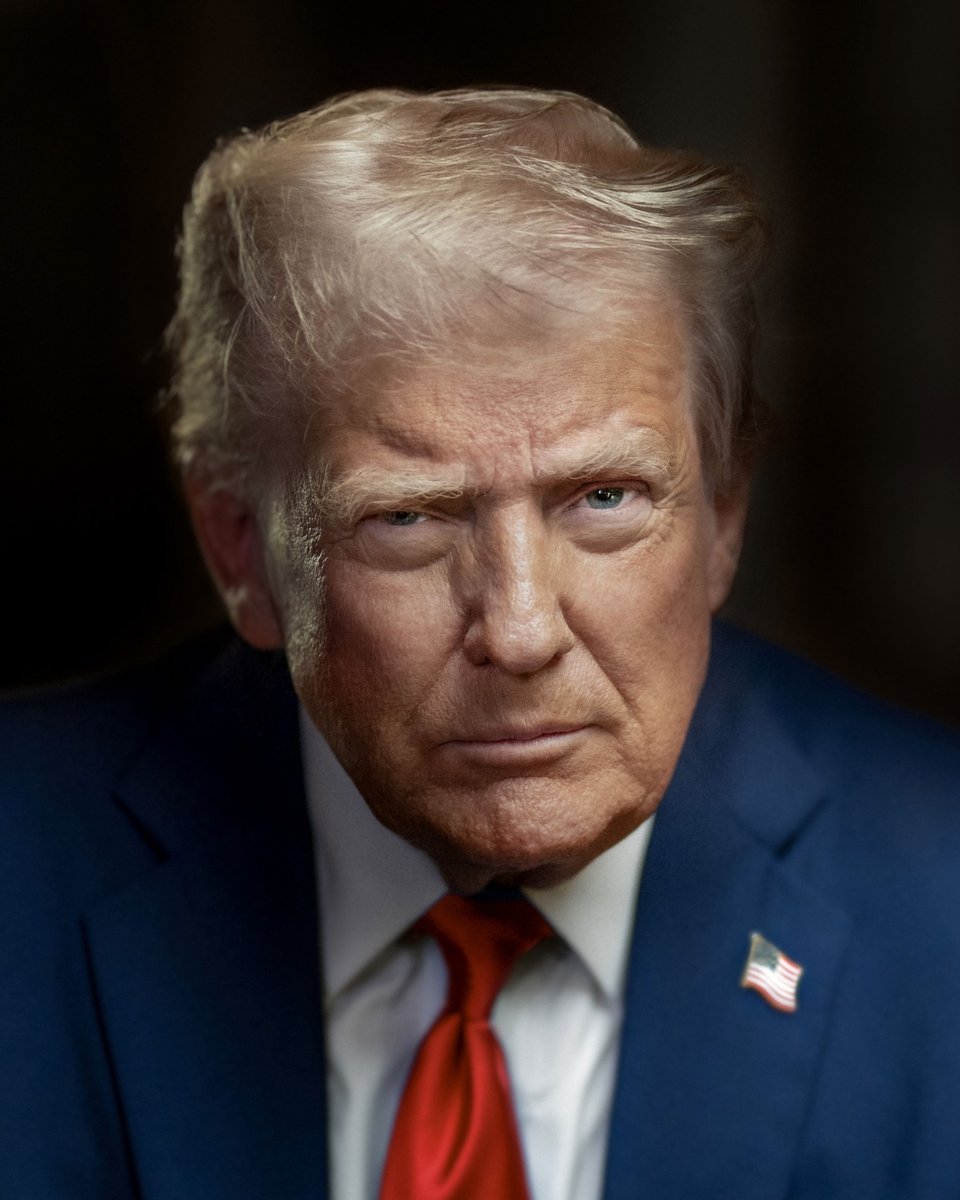
Péter Magyar
Hungarian prime minister and leader of the Tisza party, who replaced Viktor Orbán in power in April 2026
Why here: submitted the constitutional amendment meant to remove Sulyok by July 20
More info →
Viktor Orbán
former Hungarian prime minister, in power for sixteen years, leader of Fidesz
Why here: accused Magyar's government of "a path toward arbitrary rule"
More info →
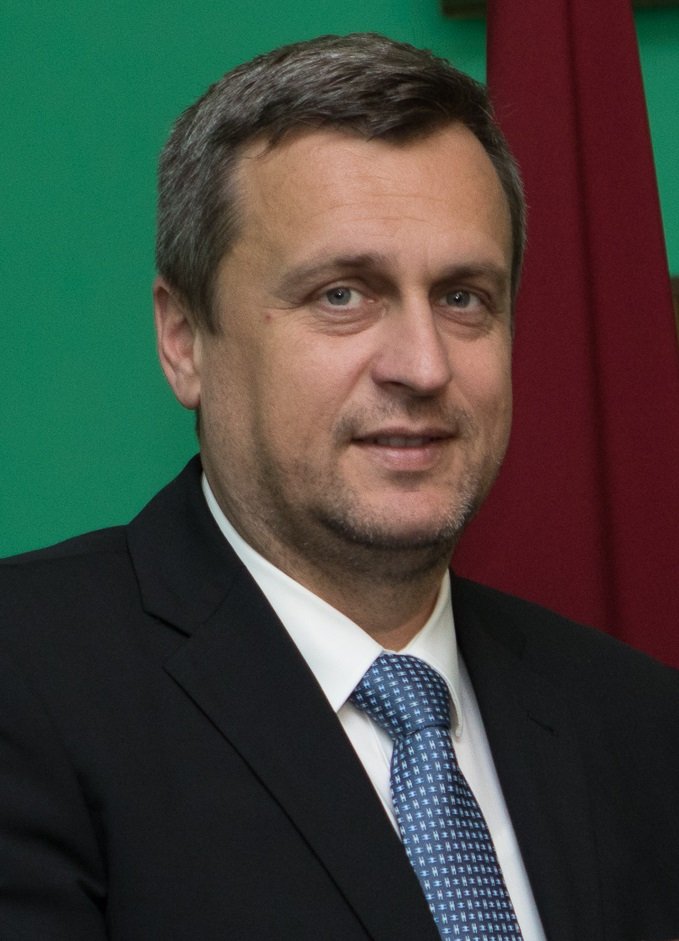
Péter Polt
chairman of the Constitutional Court, previously chief prosecutor for sixteen years, one of the founders of Fidesz
Why here: the new age limit of 70 will remove him from his judicial post immediately
More info →
Gergely Gulyás
former minister of the Prime Minister's Office under Orbán, today head of the Fidesz parliamentary group
Why here: warns that "from now on, anything can be done to anyone"
More info →Tisza
Péter Magyar's party, now in government, holding a constitutional two-thirds majority after the April elections
Why here: is using this majority to push through the removal of both the president and the judges
More info →
Fidesz
Orbán's party, now in opposition
Why here: its former nominees Sulyok and Polt are the targets of the removal effort
More info →Benátska komisia
advisory constitutional law body of the Council of Europe
Why here: reviewed the proposal directly in Budapest in an expedited procedure at Sulyok's request
More info →
Human Rights Watch
international non-governmental human rights organization
Why here: criticizes the speed of the process, though not its objective
More info →What the proposal contains
The text Magyar submitted to parliament on Saturday goes further than the June announcement of the "Cleansing Fire" operation — back then it was an intention, now it is actual legal provisions. Telex ↗ The day after the seventeenth amendment takes effect, Sulyok's term — which otherwise would have run until 2029 — is to end; parliament then has thirty days under constitutional rules to elect a successor, and Magyar promises a new president before August 20. Forbes.hu ↗The package extends beyond the presidential question itself. It introduces an age cap of 70 for Constitutional Court judges, affecting four current members — most notably its chairman Péter Polt, who turned seventy last September. Index.hu ↗ Saturday's text also changes the length of future judicial terms — from the current twelve years to nine years, with no possibility of re-election. Telex ↗ The third pillar is a twelve-year cap on the total length of a parliamentary mandate — a measure that in practice will barely touch the fresh Tisza faction but will noticeably affect the longest-serving Fidesz MPs.
Sulyok: "there is no legal basis"
In an interview with the Polish weekly Do Rzeczy, the president reiterated that he has no reason to resign and that there is no constitutional legal basis for his removal. Index.hu ↗ His key argument concerns the general applicability of law: according to Sulyok, this is a norm "tailor-made" for one specific person — the current president — rather than a general rule applying equally to all future holders of the office. In his view, it is precisely this targeted nature that conflicts with the principles of the rule of law. Telex ↗ The judicial age limit ultimately has the same targeted character — it immediately removes precisely the court's current composition, not its future one.The Venice Commission has already been to Budapest
To assess the process, Sulyok requested an opinion from the Venice Commission — the advisory constitutional law body of the Council of Europe. Its delegation, led by chairwoman Marta Cartabia of Italy, visited Budapest last week under an expedited procedure and met with Sulyok, Prime Minister Magyar, ministers, and the speaker of parliament. Euronews ↗ The commission can only issue a non-binding advisory opinion — its conclusions are not legally binding, and it has not yet published its final statement.The criticism isn't coming only from Fidesz
The sharpest words have come, paradoxically, from a man who for years was Orbán's right hand. Gergely Gulyás, today head of the Fidesz parliamentary group, summed up the concern this way: "If this can be done to the head of state, to the Constitutional Court, to the parliamentary opposition, then from now on anything can be done to anyone in Hungary." Index.hu ↗ He noted that not even Fidesz, during its six terms in office with a constitutional majority, ever attempted to remove a sitting president or judges.Orbán himself, though speaking in a different, tangential dispute over funding for former president János Áder's foundation, voiced similarly sharp criticism — speaking of "aggression, threats, intimidation" and "a direct path to arbitrary rule." Index.hu ↗
However, the criticism is not coming only from Fidesz. Human Rights Watch does acknowledge a legitimate goal — dismantling the power network that Fidesz built during its sixteen years in government — but it raises concerns about the process itself: the public, including civil society, was given only five days, until June 27, to comment on such a fundamental change. Human Rights Watch ↗ According to the organization, restoring the rule of law also requires following due process, not merely pursuing the right goal.
The limits of this view
Fidesz's outrage should be taken with a grain of salt — the party used that very same two-thirds lever for sixteen years to fill the courts, the prosecutor's office, and public media with its own people — after all, Sulyok and Polt are its former nominees. Even the twelve-year cap on parliamentary mandates, presented as a general anti-corruption measure, in practice affects almost exclusively Fidesz — the fresh Tisza faction will barely feel it.But the concern is not purely a Fidesz matter or a purely domestic one. The fact that the Venice Commission, at Sulyok's request, is handling the matter under an expedited procedure, and that Human Rights Watch also objects to the pace of the changes, suggests that the question of precedent — namely, whether the same constitutional majority might in the future be abused by a government of a different political stripe — is real and independent of who currently occupies the Sándor Palace.
What hotinfo is following
The parliamentary vote on the seventeenth amendment — Tisza holds a two-thirds majority, so passage is nearly certain, though an exact date has not yet been set.Sulyok's actual departure around July 20 and parliament's election of a successor within thirty days — Magyar promises a new president before August 20.
The fate of Péter Polt and the other three Constitutional Court judges — will they leave without resistance, or will they fight the age limit through legal channels?
The Venice Commission's opinion — though non-binding, it could influence the discussion about Hungary at the EU level.
Political scientist Gábor Török's proposal for Fidesz to boycott the parliamentary session — will it actually happen?