

Key actors — tap for context
Afroditi Nestora
Official of Greece's ruling New Democracy party (ND) in Thessaloniki.
Why here: An incendiary attack struck her home; she suffered minor burns and her mother ended up in critical condition.
Nová demokracia
Greece's ruling center-right party, led by Prime Minister Kyriakos Mitsotakis.
Why here: The homes of three of its officials in Thessaloniki became the target of a series of incendiary attacks.

Kyriakos Mitsotakis
Prime Minister of Greece and leader of New Democracy.
Why here: He condemned the attacks, promising "zero tolerance" and a message to the perpetrators that they will be found.
More info →
Sigfrido Ranucci
Italian investigative journalist, host of the Report program on the public broadcaster Rai 3, long a target of mafia threats.
Why here: A day earlier, four suspects were detained in the bomb attack on his home.
More info →
Robert Fico
Prime Minister of Slovakia.
Why here: He survived an assassination attempt in Handlová in May 2024 — a reminder that political violence is not an abstract issue in the region.
More info →Thessaloniki: three homes, five injured, anti-terrorism unit
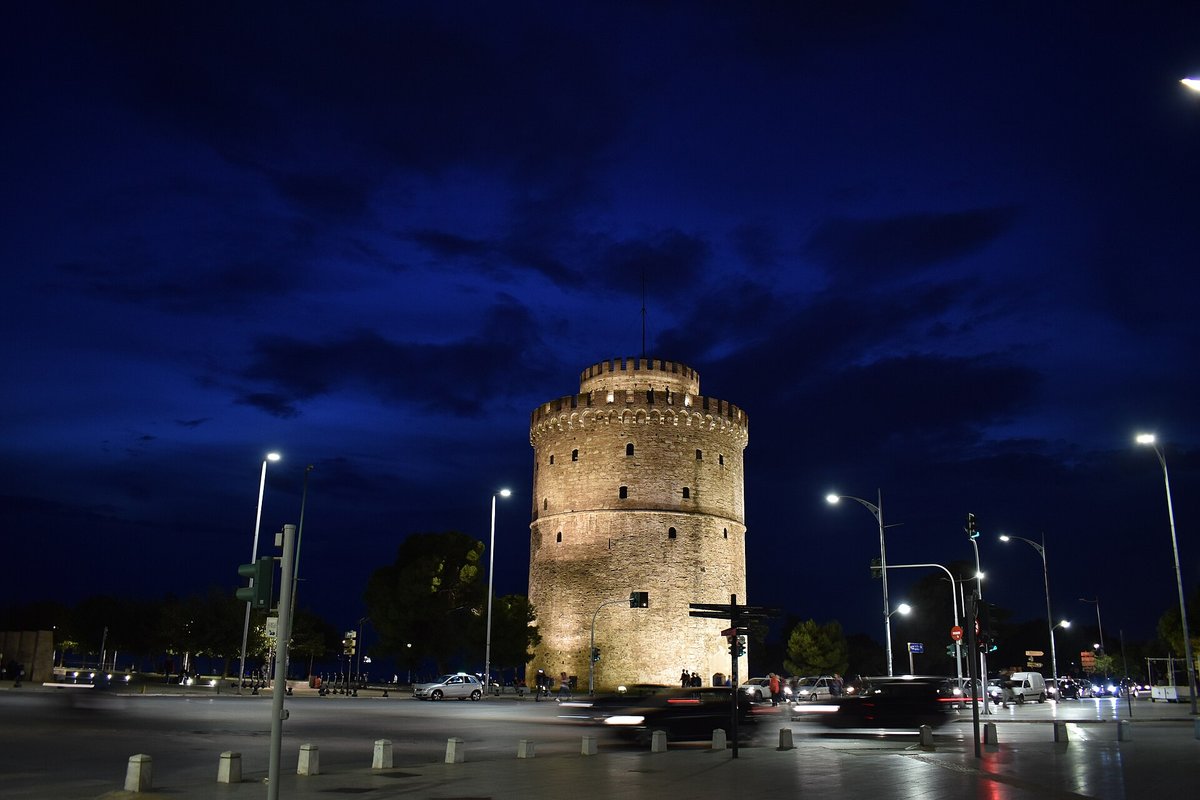
On Tuesday night, unknown perpetrators attacked the homes of three New Democracy officials in Thessaloniki with gas canisters (in Greek, "gkazakia") — besides Afroditi Nestora, the homes of two other party representatives, Anastasiadis and Ioakeimovits, were also targeted. According to Greek media, five people ended up in hospital, and Nestora's mother is in critical condition. The investigation has been taken over by the anti-terrorism unit, which currently has two suspects in its sights. Naftemporiki ↗The government reacted sharply. A spokeswoman labeled the attacks "acts of terrorism," and Prime Minister Kyriakos Mitsotakis promised "zero tolerance for any form of new terrorism," with a message to the perpetrators: "We will find you and bring you to justice." The opposition, including the Syriza party, also condemned the attacks. Naftemporiki ↗
Italy: a bomb awaiting its client
Almost simultaneously in Italy, four suspects were detained in the bomb attack on investigative journalist Sigfrido Ranucci, host of the Report program. The device exploded last October near his home in Pomezia, near Rome, shortly after his daughter had parked nearby, though no one was injured. Investigators speak of mafia-style methods and say the suspects acted "to order" — leaving open the question of who ordered the attack. ANSA ↗Read also: Four detained over the bomb attack on journalist Ranucci. The trail leads to the Camorra
Why this also matters to Slovakia
The Greek incendiary devices and the Italian mafia-style bomb are different in nature — one targets party officials, the other a journalist who touched on organized crime. But they share a target — people who are pillars of the democratic public sphere: politicians and journalists. For a Slovak reader, this is not a distant topic. In May 2024, Prime Minister Robert Fico survived an assassination attempt in Handlová — proof that political violence can reach even the square of a small Central European town.European officials and journalist protection organizations have repeatedly warned that attacks and threats against politicians and the media have been increasing in recent years. Two cases in two days do not make statistics, but both countries reacted the same way — with talk of terrorism and of protecting those who are targeted. That in itself suggests how seriously European governments today take the threat of political violence.
What hotinfo is watching
- Whether the Greek anti-terrorism unit will uncover who is behind the series of attacks in Thessaloniki, and whether it involves an organized group or individuals.
- Whether the Italian investigation will reach who ordered the attack on Ranucci, and whether there are "further levels," as the journalist himself has suggested.
- The EU's response and that of journalist protection organizations — whether the two events within 48 hours will prompt new measures to protect politicians and the media.