
Key actors — tap for context

Mark Rutte
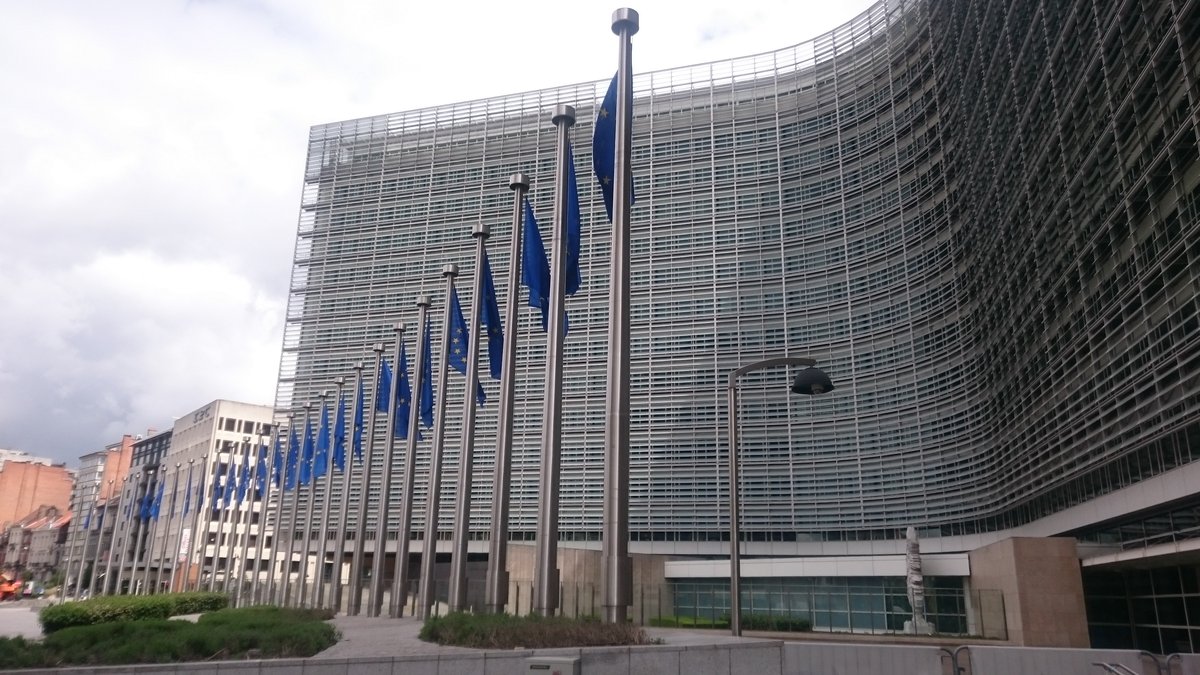
former Dutch prime minister (2010–2024), now NATO Secretary General
Why here: his third cabinet (Rutte III) resigned in January 2021 precisely because of this scandal
More info →
NRC
Dutch opinion-forming daily newspaper, liberal-centrist quality press
Why here: its investigation from June 15 quantified the scale of the wrongful compensation
More info →
Belastingdienst
the Dutch Tax and Customs Administration
Why here: its erroneous fraud accusations regarding childcare benefits triggered the entire affair
More info →UHT
the organization established to remedy the scandal (Uitvoeringsorganisatie Herstel Toeslagen)
Why here: it assesses claims and pays out compensation — it is precisely through this body that the wrongful payments flowed
What NRC found
The original scandal — known in the Netherlands as the toeslagenaffaire — revealed that for years the tax authority had wrongly accused tens of thousands of families of fraud in claiming childcare benefits and had demanded repayment of tens of thousands of euros from them. The authority systematically suspected people with dual nationality; more than 11,000 people faced extraordinary scrutiny. More than 1,600 children from the affected families ended up outside their homes in foster care, many families lost their homes, and marriages fell apart. The Dutch Data Protection Authority described the practice as "unlawful, discriminatory, and improper." Wikipedia ↗After the fall of the Rutte cabinet in January 2021, the state promised swift redress: every recognized victim was to receive a flat-rate €30,000 with a low burden of proof. Nearly 70,000 people registered with the redress organization UHT, and just under 44,000 parents were recognized as having been wronged. NRC now claims that at least 20,000 of them — nearly half — were not actually entitled to the compensation. NRC ↗
How the redress became its own mistake
The key factor was the low-burden-of-proof mechanism. Anyone who claimed they had not received a warning letter from the authority before their benefits were stopped was automatically recognized as a victim — and since the authority could not locate these letters in its own systems, it took claimants at their word. In the autumn of 2024, however, a database emerged showing that the letters had in fact been sent. Under pressure from parliament and a public that, after years of wrongdoing, demanded swift compensation, the notion of "victim" was stretched so broadly that the scheme lost track of whom it was actually paying. NOS ↗The original cost estimate stood at half a billion euros; according to calculations cited in 2024, the total bill for the operation could climb as high as €14 billion. The commission handling actual damages claims is expected to be processing applications until 2030. The state thus finds itself trapped: admitting the mistake and clawing back money from families, many of whom are genuine victims, would trigger a second wave of injustice; letting it stand means that the redress for the original injustice is itself generating injustice — toward taxpayers and toward those still legitimately waiting to be paid. DutchNews ↗
This is precisely what makes the Dutch case instructive well beyond the country's borders. Every state that embarks on mass compensation for its own failure — whether over pandemic measures, debt enforcement, or health scandals — faces the same dilemma between speed and accuracy. The Netherlands shows that political pressure to "pay now" combined with a low burden of proof can turn a well-intentioned scheme into an uncontrollable mechanism that ultimately undermines trust in the redress itself.
Limits of this view
NRC is among the most reputable Dutch dailies — a liberal-centrist quality paper — but its investigation naturally emphasizes the fiscal side of the story, namely who received money they were not entitled to. Less space is given to the other side of the story: the tens of thousands of genuine victims who are still waiting for final payment to this day, and the risk that the "20,000 wrongly paid" figure will be exploited by politicians to discredit the entire redress effort. Moreover, "wrongly" in practice often does not mean fraud on the part of the claimant, but rather that, given the low burden of proof, the claim could neither be confirmed nor disproved — for a long time the burden of proof rested with the state, which had failed to properly maintain its own records. Definitive figures will only emerge from the announced parliamentary review. NRC ↗What hotinfo is watching
- What methodology the Ministry of Finance will adopt regarding the database of warning letters from autumn 2024 — whether it becomes the basis for reassessing claims, or whether the review itself calls it into question.
- Whether the state will proceed to reclaim the already-paid €30,000 sums — and from whom. The politically most explosive scenario.
- The final bill for the operation: is it heading toward €14 billion? The commission for actual damages has work planned through 2030.
- Whether the finding of "20,000 wrongly paid" will be used to narrow the redress for families who are still legitimately waiting for compensation.