
Key actors — tap for context
Hamid Dabashi
Iranian-American professor of Iranian studies and comparative literature at Columbia University, a longtime critic of US and Israeli policy in the Middle East.
Why here: Guest of the Expresso interview around which this reading of the war is built.
Expresso
A Portuguese centrist weekly, one of the most influential in the country.
Why here: The outlet through whose lens we are following the Iran war here.

Donald Trump
President of the United States, who in February 2026 launched a war against Iran together with Israel.
Why here: According to Dabashi, he was "deceived" into the conflict; he is now announcing peace within a few days.
More info →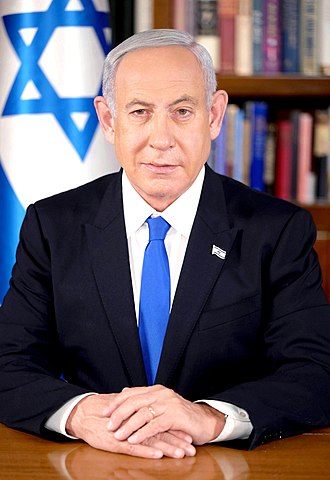
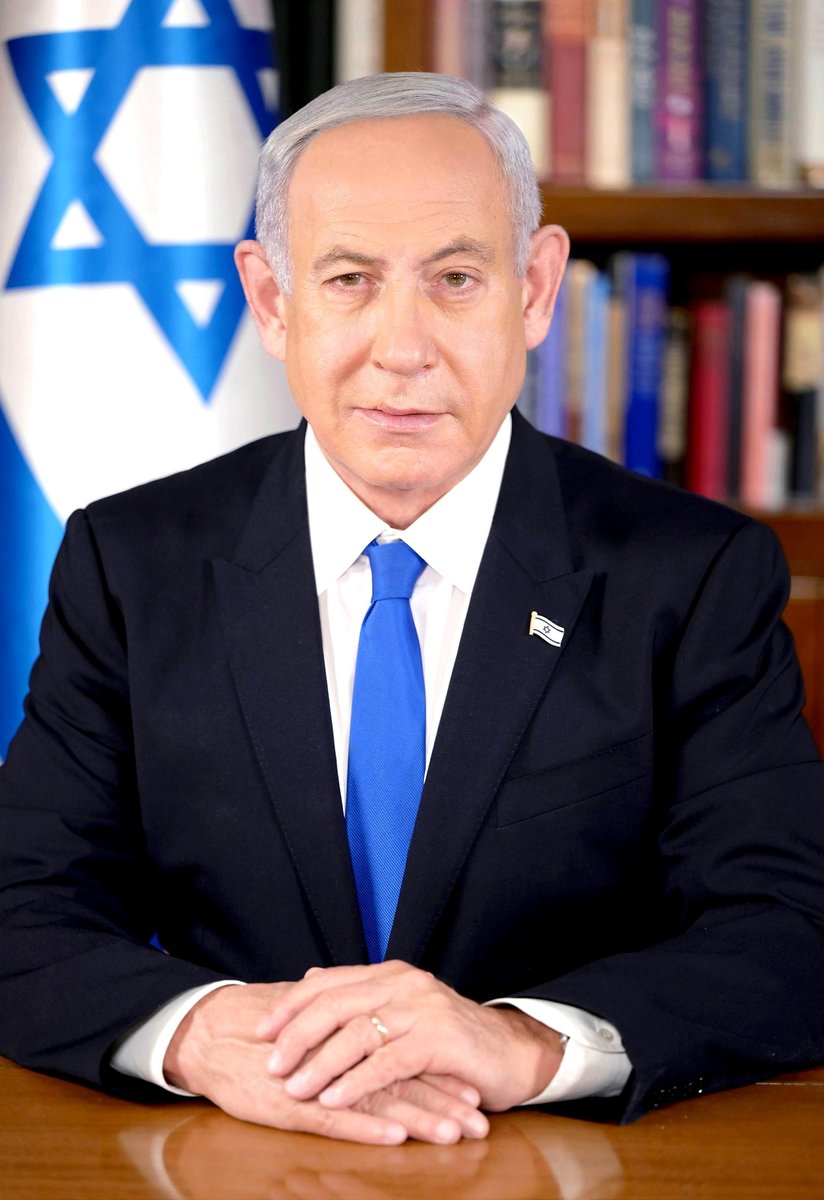
Benjamin Netanjahu
Israeli prime minister and the main proponent of a hard line against Iran.
Why here: He parted ways with Trump on the question of ending the war.
More info →
Alí Chameneí
Supreme Leader of Iran, who according to reports died during the war.
Why here: His death is the flip side of the thesis about a "strengthened" Iran.
More info →
Hormuzský prieliv
A narrow maritime artery off the Iranian coast, through which roughly a fifth of the world's oil flows.
Why here: Dabashi describes it as a more effective Iranian weapon than nuclear arms.
More info →Hizballáh
A Lebanese pro-Iranian movement and militia, a key ally of Tehran.
Why here: It lost a large portion of its fighters in the war.
More info →What Expresso Says
Dabashi, a professor of Iranian studies and comparative literature, openly admits in the interview that "there are voices and forces within Iran advocating for the country to become a nuclear power." He himself, however, argues that the reality of the war has already moved past that logic. "At this moment, the Strait of Hormuz is infinitely more effective in Iran's asymmetric warfare than any nuclear weapon would ever be," the weekly quotes him as saying. Expresso ↗The point is leverage. Roughly a fifth of the world's seaborne oil passes through the narrow strait off the Iranian coast, and the mere threat of its closure can move prices and negotiations alike. Dabashi's reading turns the Western framing on its head: the conflict that was supposed to break Tehran instead placed a strategic card in its hands, one it is now playing at the negotiating table. According to him, Trump was "deceived" — drawn into a war that was meant to be quick and decisive but which, in his interpretation, instead strengthened the adversary. Expresso ↗
What Differs from Slovak and Czech Coverage
Both Slovak and Czech media — and, ultimately, our own coverage as well — have largely framed Hormuz as a problem that Trump is solving: a 60-day ceasefire is reportedly approaching, the strait is to reopen, Iran could freely sell oil again, and the American president wants to tie the deal to the Abraham Accords. We described Ropa nad 97 dolárov a Hormuz pod hrozbou as a bill being paid by the whole of Europe.Dabashi reads the same strait as an Iranian trump card, not an Iranian problem: if its reopening is being negotiated at all, that, in his view, is proof of leverage, not defeat. And his word "deceived" takes on a more concrete shape in light of the recent finding that the Pentagon povýšil hrozbu izraelskej špionáže na najvyšší stupeň and that Trump parted ways with Benjamin Netanjahu on the question of ending the war. Where part of the Western coverage sees a president pushing for peace, Dabashi sees a president who was maneuvered into the war — and who is now looking for a way out of it.
Limits of This View
Dabashi is a longtime and outspoken critic of US and Israeli policy in the Middle East and a co-founder of the Center for Palestine Studies at Columbia University — the thesis that Iran emerged stronger from the war fits his ideological starting points. He is a literary scholar and cultural theorist, not a military analyst, and Expresso, as a centrist weekly, is giving space to one perspective, not conducting an independent audit. Iran's "victory" also has a flip side that the interview downplays: Supreme Leader Ayatollah Alí Chameneí died in the war, Tehran reports thousands dead, and its ally Hizballáh lost a large share of its fighters. A country that has to negotiate over the sale of its own oil can hardly be called an unambiguous victor. Moreover, this reading rests only on the opening part of the interview — its full text is behind a paywall, so what we have here is Dabashi's main thesis, not his entire argument.What hotinfo Is Watching
• Whether Trump will sign the announced 60-day agreement on reopening Hormuz, and at what cost to Tehran.• Whether the condition tying peace to the Abraham Accords (Saudi Arabia, Qatar, Pakistan, and Israel) will be confirmed.
• How the rift between Trump and Netanjahu over ending the war will develop.
• Whether the "pro-nuclear voices" within Iran that Dabashi mentions will gain the upper hand after the war.