





Key actors — tap for context

Houthis
Iran-backed Shia rebel movement Ansar Allah that controls northern Yemen including Sanaa
Why here: in September they seized the coast by the Bab al-Mandab strait and are attacking Saudi Arabia
More info →
Sanaa
capital of Yemen, held by the Houthis since 2014
Why here: target of Saudi airstrikes on Thursday and Saturday
More info →
Bab al-Mandab
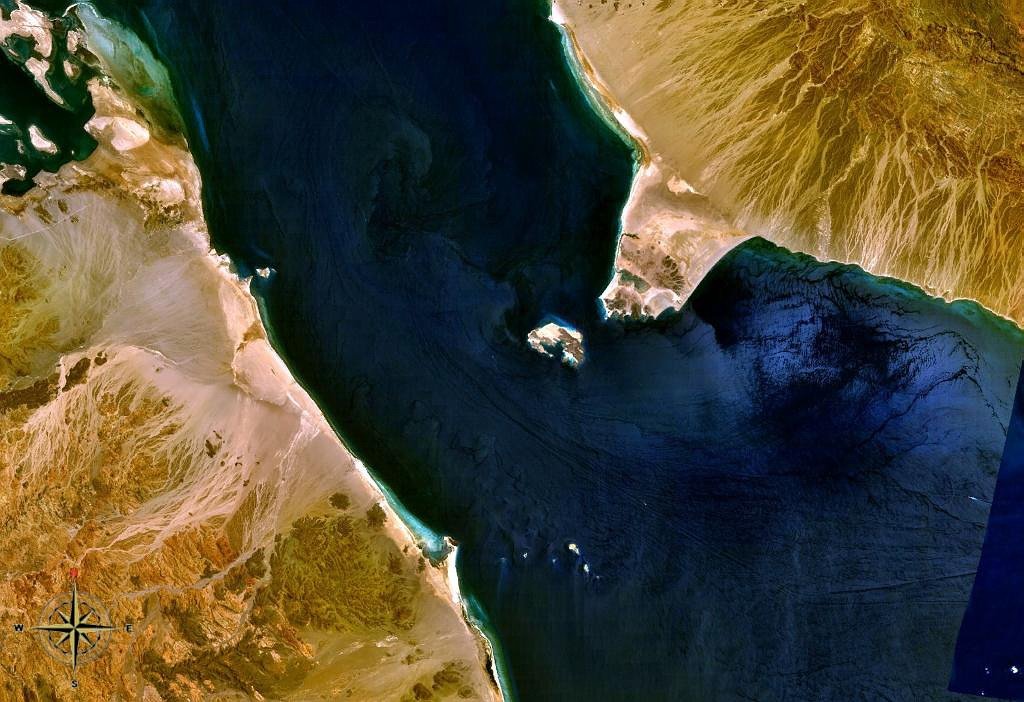
narrow strait between Yemen and Djibouti linking the Red Sea with the Gulf of Aden
Why here: the reason Riyadh is preparing a ground offensive
More info →
Taiz
Yemen's third-largest city and a road hub between the north and the south
Why here: the Houthis are closing in, and about 80 fighters died there on Friday
More info →
Marib
province in central Yemen holding the main oil and gas fields
Why here: second target of the current Houthi offensive
More info →Aramco
Saudi state oil company
Why here: the Houthis have repeatedly attacked its facilities, and a site south of Riyadh was on fire on Saturday
More info →
Yahya Saree
Houthi military spokesman
Why here: announces the tallies of Saudi strikes, 1,350 since the fighting began
More info →
Rashad al-Alimi
chairman of the Presidential Leadership Council, head of Yemen's internationally recognised government in Aden
Why here: parliament approved general mobilisation at his request
More info →
Michael Ratney
US diplomat, ambassador to Saudi Arabia from 2023 to 2025
Why here: expects a rather limited Saudi operation around the strait
More info →
Hans Grundberg
Swedish diplomat, UN Special Envoy for Yemen
Why here: called on the Houthis to halt their offensive
More info →
World Food Programme
UN food aid agency (WFP)
Why here: warns it will run out of supplies and money in Yemen within weeks
More info →What happened in Sanaa
An AFP correspondent heard at least five explosions in various parts of the city on Saturday, and another journalist saw two military aircraft firing rockets at Sanaa. The al-Masirah television station, run by the Houthis, spoke of "Saudi aggression", but did not specify targets or casualties. Riyadh has not yet commented on the attacks. TASR ↗The strikes on the capital are only part of the campaign. Houthi spokesman Yahya Saree claimed on Friday that the Saudi air force had attacked territory under their control 94 times in 24 hours, and that they count 1,350 airstrikes since the start of the latest fighting. These figures cannot be independently verified. ORF ↗
On the same day that bombs were falling on Sanaa, smoke and flames rose from an Aramco facility south of Riyadh. No one has yet announced the cause. Neither the Houthis nor the Saudi authorities have commented on the fire. However, the rebels have repeatedly attacked Aramco facilities in recent weeks. France 24 ↗ Aktuality.sk (TASR) ↗
Why Bab al-Mandab
The war resumed in July, when Yemeni government forces, according to El País, bombed the runway of Sanaa airport on 13 July. They wanted to prevent the landing of an aircraft carrying a Houthi delegation returning from the funeral of Iran's Supreme Leader Ali Khamenei. The Houthis responded with a lightning offensive and, within a few weeks, seized more than 160 kilometres of the Red Sea coast, including the port of Mocha and the island of Perim directly in the strait. El País ↗For Riyadh, this is painful on two counts. According to El País, the Red Sea served it as a detour around the Strait of Hormuz, which Iran, an ally of the Houthis, blocked during the war. The rebels declared a blockade of Saudi ports and, after years, again attacked Riyadh. Saudi Arabia also accuses them of a drone attack on Mecca and a strike on a transformer supplying the Prophet's Mosque in Medina. The Houthis deny both. El País ↗ Novinky.cz ↗ ORF ↗
A report by the British broadcaster Channel 4 News from mid-September shows how the Houthis took over the coast by the strait and how people fled before the fighting, some even across the sea to Djibouti.
Read also: The Hormuz agreement promised a strait without fees. The text says it only lasts sixty days
An offensive fought by proxies
According to six sources cited by Reuters, Riyadh is weighing two options. A narrower one, namely a strike only on the area around the strait, or a broad offensive that would also hit the provinces of al-Jawf, Bayda, Marib and Taiz. On the ground, Yemeni government forces would fight under Saudi supervision, Riyadh would supply the air force, and depending on the scale of the operation, more than a hundred thousand Yemeni soldiers could be deployed. Estimates of the timing range from one week to a period after the US congressional elections on 3 November. Reuters (Defense News) ↗The United States provides Saudi Arabia with intelligence, but according to Reuters sources it is not supposed to join the fighting. Riyadh has reportedly concluded that as long as the Houthis hold the strait, there is no point in negotiating peace with them, because it gives them leverage over the whole world. Former US ambassador in Riyadh Michael Ratney expects a rather limited operation: "Even if they want to defeat the Houthis completely, they need to return to the situation before the Houthis took control of the territory along the Bab al-Mandab strait." Aktuality.sk (TASR) ↗
The Yemeni parliament already approved a general mobilisation on 29 September at the request of the head of the Presidential Leadership Council, Rashad al-Alimi. Al-Alimi also offered amnesty to anyone who leaves the Houthis and called on families in rebel territory not to send their children to the front. Novinky.cz ↗
Taiz and Marib: where the war will be decided
Meanwhile, the Houthis are pushing further inland. Taiz, the country's third-largest city, lies only one hundred kilometres from Mocha and links the north controlled by the rebels with the south, where the government sits. On Thursday, the Houthis briefly cut the road from Taiz to Aden. Marib, meanwhile, holds Yemen's main oil and gas reserves. "Without them there is no economy in Yemen," says Fernando Carvajal, former member of the UN Security Council's Panel of Experts on Yemen, to El País. According to him, the Houthis want to take control of the entire country and force from Riyadh a better deal than the government has today. El País ↗The fighting near Taiz is the bloodiest. On Friday, according to the figures of both sides, about 80 fighters died there: the Houthis said 55 of their fighters fell, while government sources reported 26 dead soldiers. UN Special Envoy Hans Grundberg speaks of "deeply disturbing" reports of civilian casualties and closed roads, and called on the Houthis to halt the offensive. TASR ↗ Pravda ↗
Hunger that runs ahead of the front
The World Food Programme (WFP) warns that the hunger crisis in Yemen could be "absolutely devastating". Since the resumption of fighting, according to it, three out of four households in the areas it can access cannot meet their basic needs. Prices are rising sharply, because the country of 35 million imports 90 percent of its food. Matthew Hollingworth of the WFP warned that without new money the organisation will run out of supplies and funds within a few weeks. Aid will no longer reach 350,000 people who had been receiving it until now. Spiegel ↗Fighting has driven nearly 150,000 people from their homes, according to the International Organization for Migration. Many of them are fleeing for the second or third time, because Taiz and Marib have for years taken in refugees from areas occupied by the Houthis. El País ↗
What hotinfo is watching
- The Saudi ground offensive on the Red Sea coast has begun
- Government forces have held Taiz and the Taiz–Aden road
- The Houthis have advanced into the oil-rich province of Marib
- The cause of the fire at the Aramco facility near Riyadh has been confirmed
- WFP has secured new funding before its supplies in Yemen ran out
*Lead photo: the Bab al-Mandab strait from satellite, with Perim island in the middle, Yemen at upper right, Djibouti and Eritrea at left. NASA, public domain.*