

Key actors — tap for context

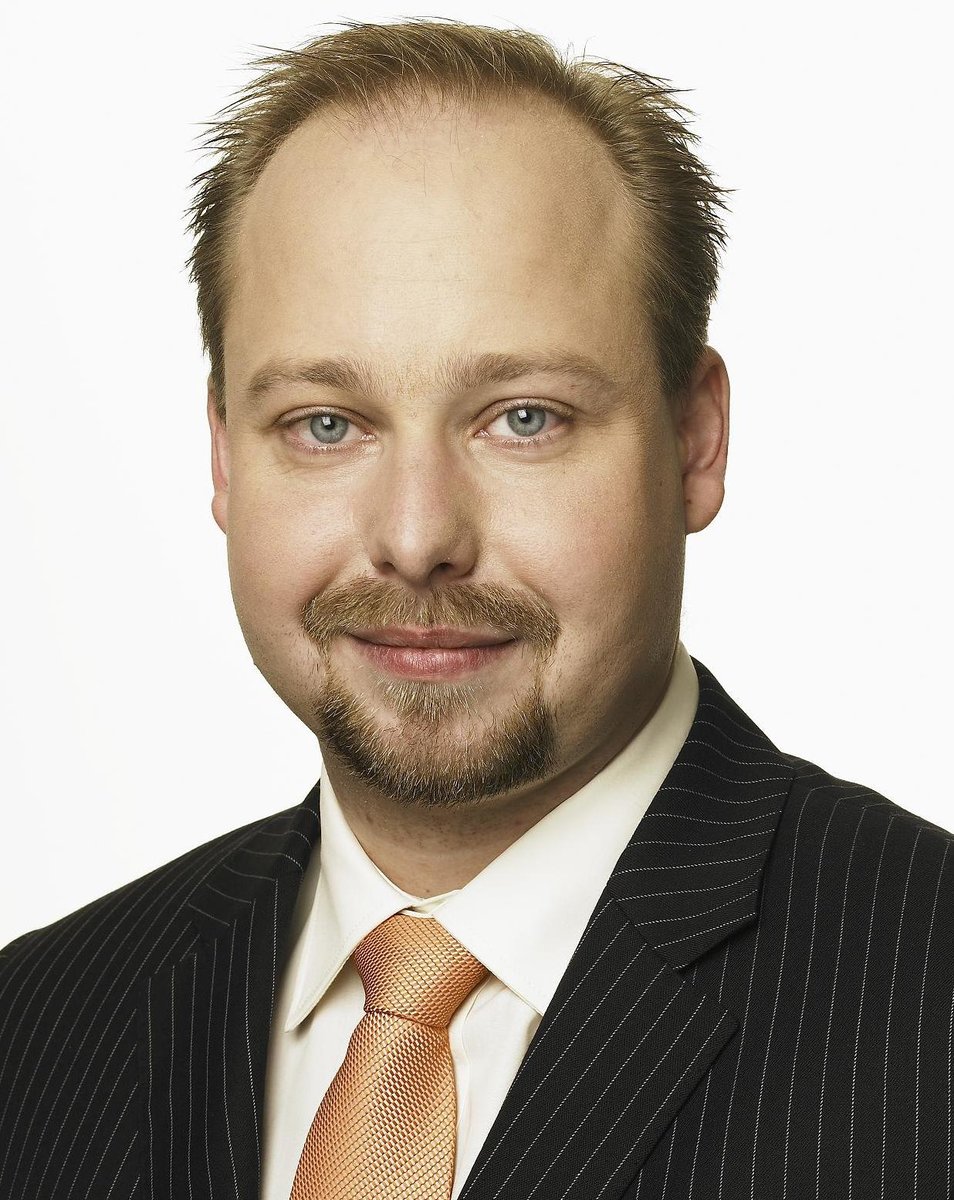
Andrej Plenković
Croatian prime minister and chairman of HDZ
Why here: from Vukovar sent the message that Zagreb would not back down on its demands toward Montenegro
More info →Andreja Metelko-Zgombić
state secretary for Europe at the Croatian Ministry of Foreign and European Affairs
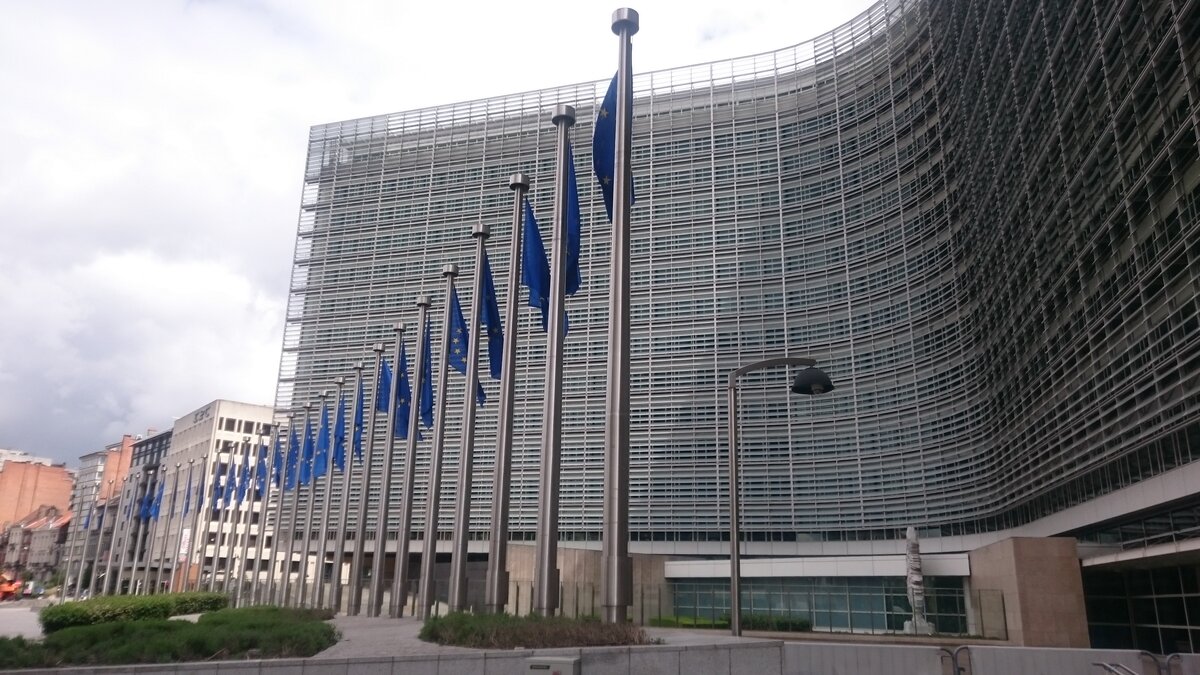
Why here: explained in Brussels why Zagreb did not agree to close the energy chapter
Maida Gorčević
Montenegrin minister for European affairs
Why here: admitted that the border dispute could end up before arbitration or an international court

Ervin Ibrahimović
deputy prime minister and minister of foreign affairs of Montenegro
Why here: told parliament that each Croatian demand would be assessed separately
More info →Bojan Božović
Montenegrin minister of justice
Why here: represents Podgorica in negotiations with Croatia on the border

Milojko Spajić
Montenegrin prime minister
Why here: his government wants to close the accession negotiations by the end of 2026
More info →
Marta Kos
EU Commissioner for Enlargement from Slovenia
Why here: according to her, Montenegro is on track to become the Union's 28th member in 2028
More info →
Borut Pahor
former Slovenian prime minister and president
Why here: as prime minister in 2009 agreed with Jadranka Kosor to unblock the Croatian negotiations
More info →Prevlaka
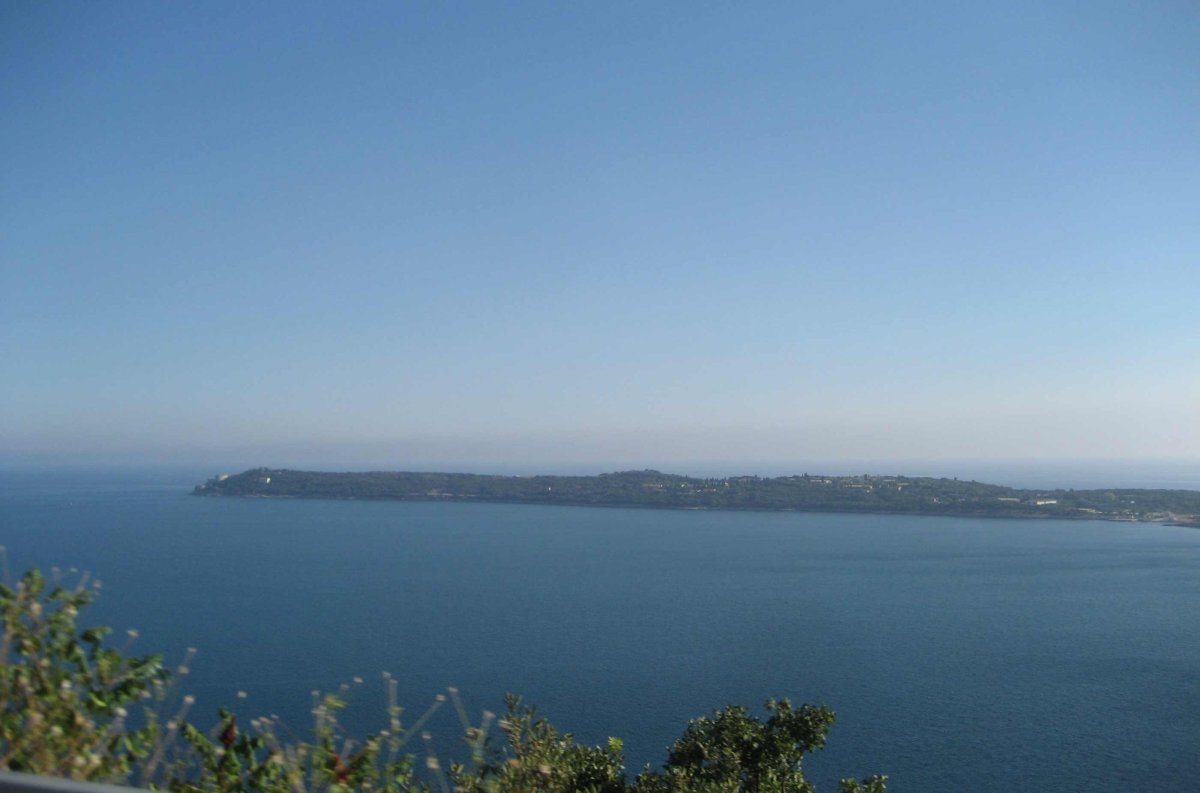
peninsula with Cape Oštro at the entrance to the Bay of Kotor, belonging to Croatia
Why here: the border on land and at sea around it is at the core of the dispute
Badinter Commission
arbitration commission of the Yugoslav peace conference led by French lawyer Robert Badinter
Why here: established the principle that the borders of the former Yugoslav republics became state borders
Two Chapters Yes, the Third No
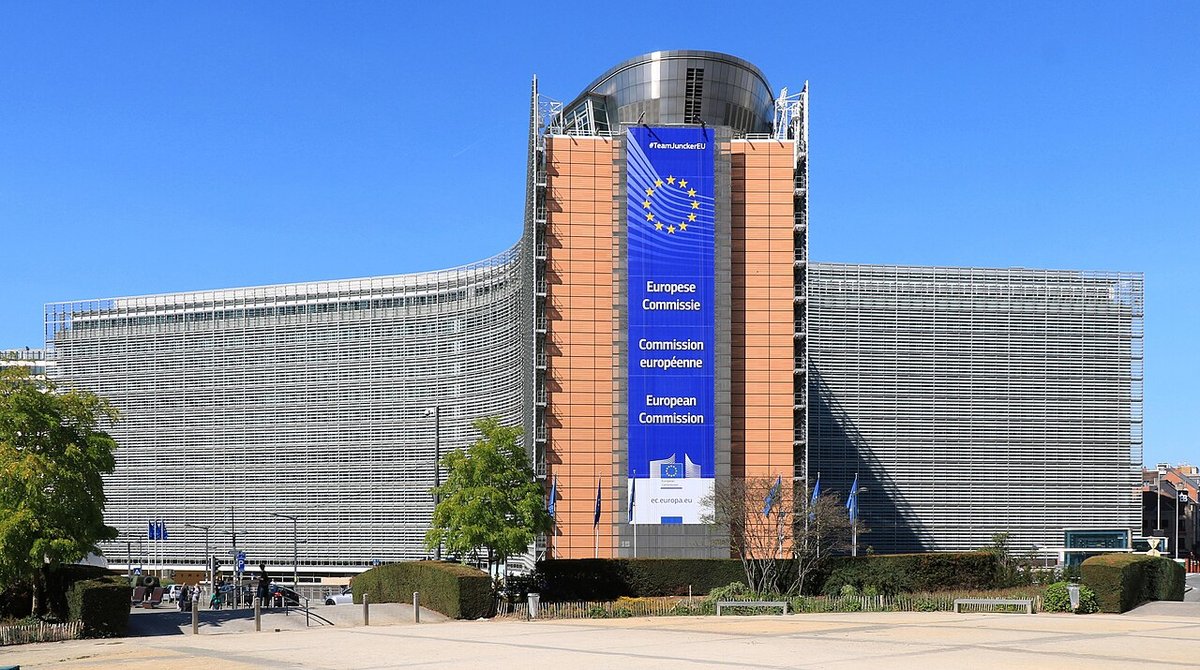
At Thursday's intergovernmental conference, Montenegro provisionally closed chapter 16 on taxation and chapter 22 on regional policy and coordination of structural instruments, bringing its total provisionally closed chapters to 25 out of 33, with eight remaining. The Irish presidency also wanted to close chapter 15 on energy, but Croatian consent was missing. According to the Montenegrin portal Vijesti, citing unnamed sources, Zagreb also prevented the provisional closure of chapter 14 on transport policy and has been blocking the closure of chapter 31 on foreign, security and defense policy since December 2024. N1 Hrvatska ↗ Vijesti ↗State Secretary Andreja Metelko-Zgombić explained the reason by saying that Podgorica attached documents to the energy chapter that draw Montenegro's continental shelf along the outer boundary of Croatia's territorial sea. According to her, this contradicts the 2002 protocol, which confirmed Croatian jurisdiction over the land part of the peninsula and established a temporary regime for the adjacent sea. Zagreb already objected to Montenegro's delineation of oil and gas exploration zones in 2014, and a year later Podgorica protested against a Croatian tender. Index.hr ↗ N1 Hrvatska ↗
Zagreb's Eight Demands
Among Croatia's demands are the return of the training ship Jadran, the border at Prevlaka, the fate of 14 missing Croatian citizens, prosecution of war crimes, compensation for former prisoners of the Morinj camp, and property rights of Croatian families. Two have been met: the Montenegrin government renamed the municipal swimming pool in Kotor, which bore the name of Zoran Gopčević, and additionally approved a memorial plaque at the former Morinj camp. According to Vijesti, Zagreb directly links the ship and the border to chapter 31. Vijesti ↗Foreign Minister Ervin Ibrahimović told parliament that the government would assess each demand separately and would not accept those that are not "backed by law." He denied that it would yield on the Jadran ship, the border, or compensation at the expense of the country's interests. N1 Hrvatska ↗
Prime Minister Andrej Plenković, at Wednesday's commemorative march in Vukovar, said that Zagreb would not back down on its demands toward Serbia and Montenegro and that Podgorica "knows exactly" what is expected of it. From Montenegro, he wants information about 14 people missing since 1991 on the southern front. Novi list ↗
A Border That, According to Zagreb, Is Not Up for Negotiation
Croatia invokes the Badinter Commission, according to which the borders of the former Yugoslav republics became international borders. Confirming the former republic border "is not a question of delimitation," said Metelko-Zgombić, but "a question of values" — that is, whether Montenegro accepts the principles of international law. Zagreb is willing to negotiate the sea later. Justice Minister Bojan Božović, who was in Zagreb on November 15 and 16 for a meeting of delegations on the border, wrote to her that Podgorica rejects a unilateral determination of the border and is ready to draft a border agreement covering both land and sea. Index.hr ↗European Affairs Minister Maida Gorčević assured in Brussels that Montenegro accepts the Badinter principles and respects Croatian territorial integrity, but wants to resolve the land and sea border together. "If we don't find a solution, we'll have arbitration or some international court," she added. Večernji list ↗
Archival Al Jazeera Balkans report on the disputed maritime border at Prevlaka (in Serbo-Croatian):
Croatia Knows This From the Other Side
Slovenia blocked Croatia's accession negotiations from December 2008 over a border dispute that had dragged on since the breakup of Yugoslavia in 1991 and mainly concerned the Gulf of Piran. In September 2009, prime ministers Borut Pahor and Jadranka Kosor agreed to unblock the negotiations, and the dispute was later submitted to international arbitration. Al Jazeera ↗In 2015, Zagreb withdrew from the arbitration agreement after revelations of improper contacts between the Slovenian side and an arbitrator. The tribunal continued nonetheless, and in 2017 awarded most of the Gulf of Piran to Slovenia; Croatia rejected the ruling. Pahor now told Klix.ba that bilateral issues have always burdened enlargement, "even between us and Croatia," and German state minister for Europe Gunther Krichbaum said neighborly disputes do not belong in enlargement, since arbitration proceedings exist for that purpose. RFE/RL ↗ Klix.ba ↗ N1 Hrvatska ↗
What Is at Stake
Montenegro has been negotiating since June 2012 and, according to Commissioner Marta Kos, is on track to become the Union's 28th member in 2028. HotInfo wrote at the beginning of November about the Commission considering it ready. Economist Branimir Jovanović from the Vienna wiiw institute told Die Presse that, in his view, the disputes with Croatia and the Netherlands' reservations will be resolved, but he sees a greater risk in the ratification of the accession treaty in France. Die Presse ↗Limits of This View
The objections to the energy chapter were explained publicly by the Croatian state secretary, while chapters 14 and 31 were reported by Vijesti citing unnamed sources. Croatian media, which the article draws on most, frame the dispute as a question of international law, while the Montenegrin side frames it as conditioning accession on bilateral demands. Vijesti ↗What hotinfo Is Watching
- Montenegro submitted to Croatia a draft agreement on the land and sea border
- Zagreb backed provisional closure of the energy and foreign, security and defence policy chapters
- Montenegro provisionally closed all accession chapters by the end of 2026
*Photo: Prevlaka, Modzzak (Prevlaka.JPG), Wikimedia Commons, public domain*