







Key actors — tap for context
Chat Control 2.0
Colloquial name for the EU regulation on combating child sexual abuse material (CSAR), which would introduce message scanning.
Why here: Its final form is precisely what is being negotiated on Monday.

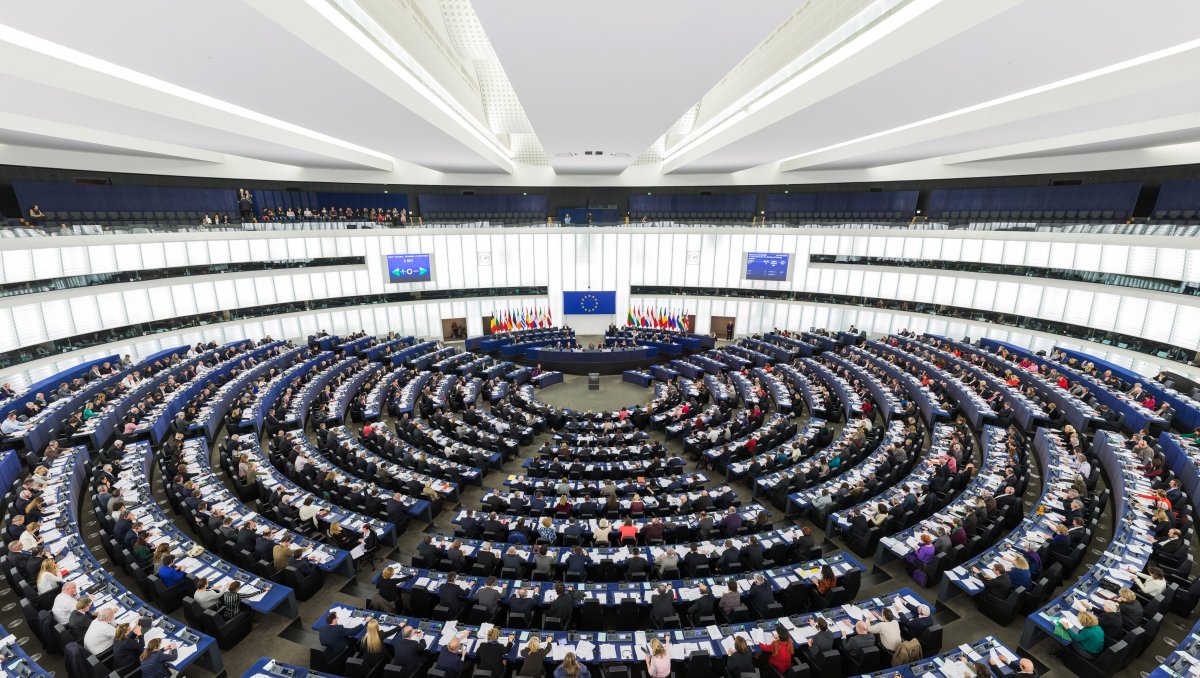
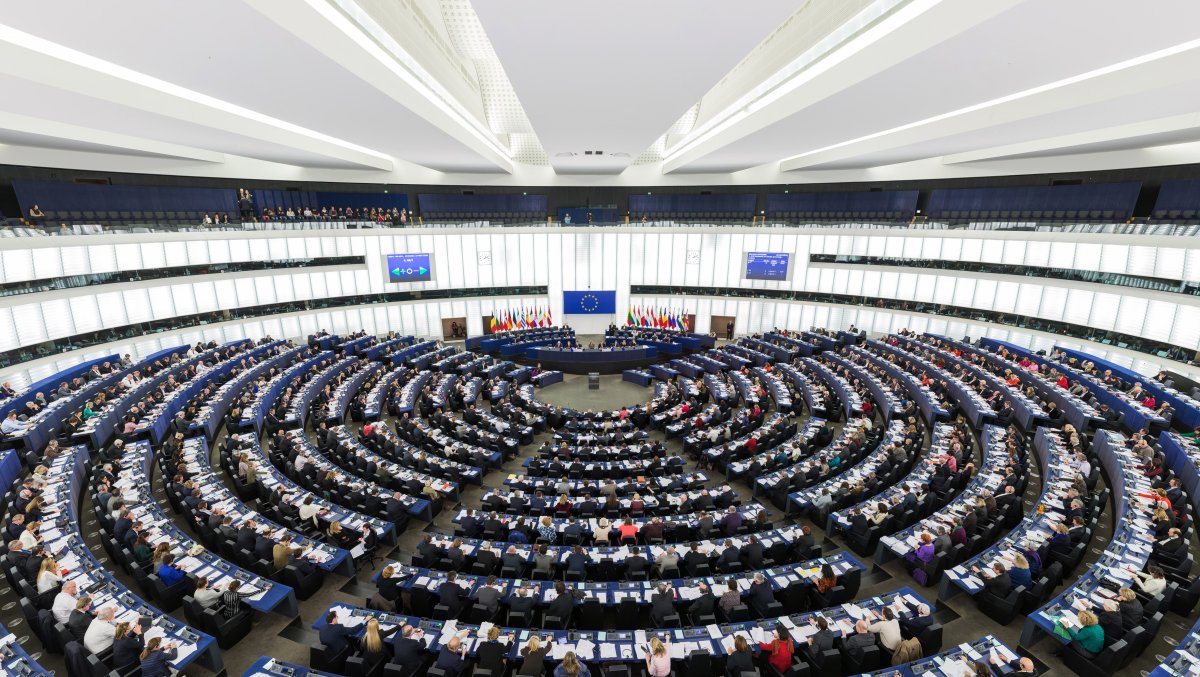
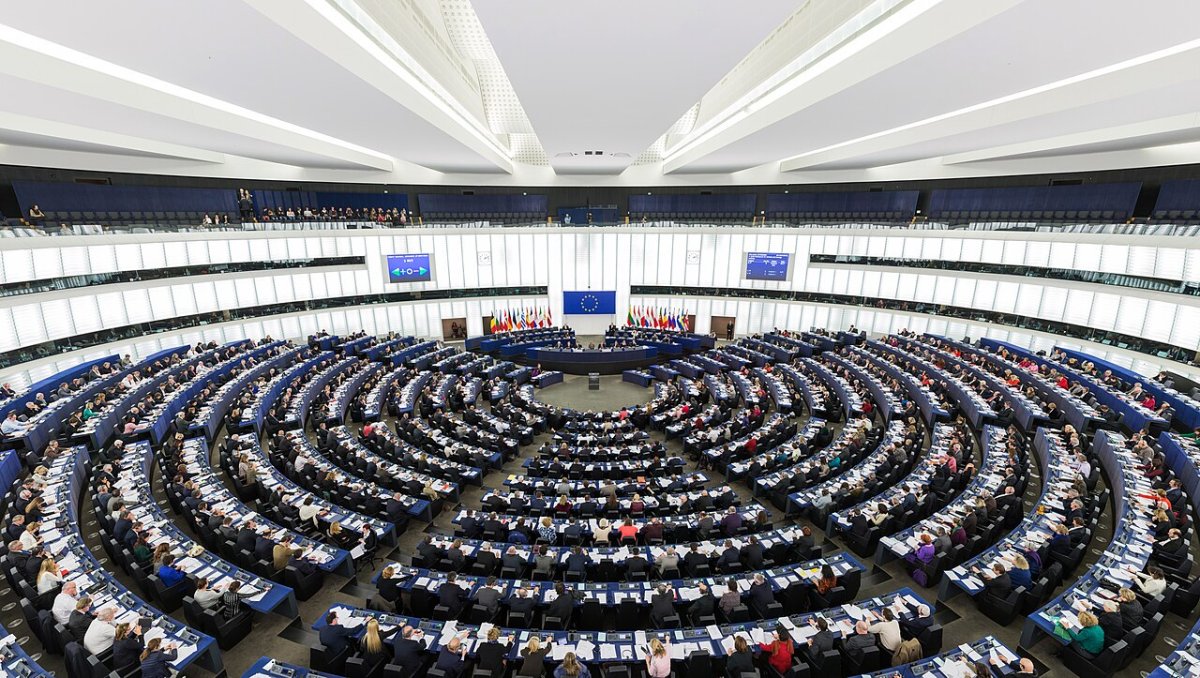
European Parliament
The directly elected chamber of the EU.
Why here: It insists that scanning should only be narrow, based on reasonable suspicion and with judicial authorization.
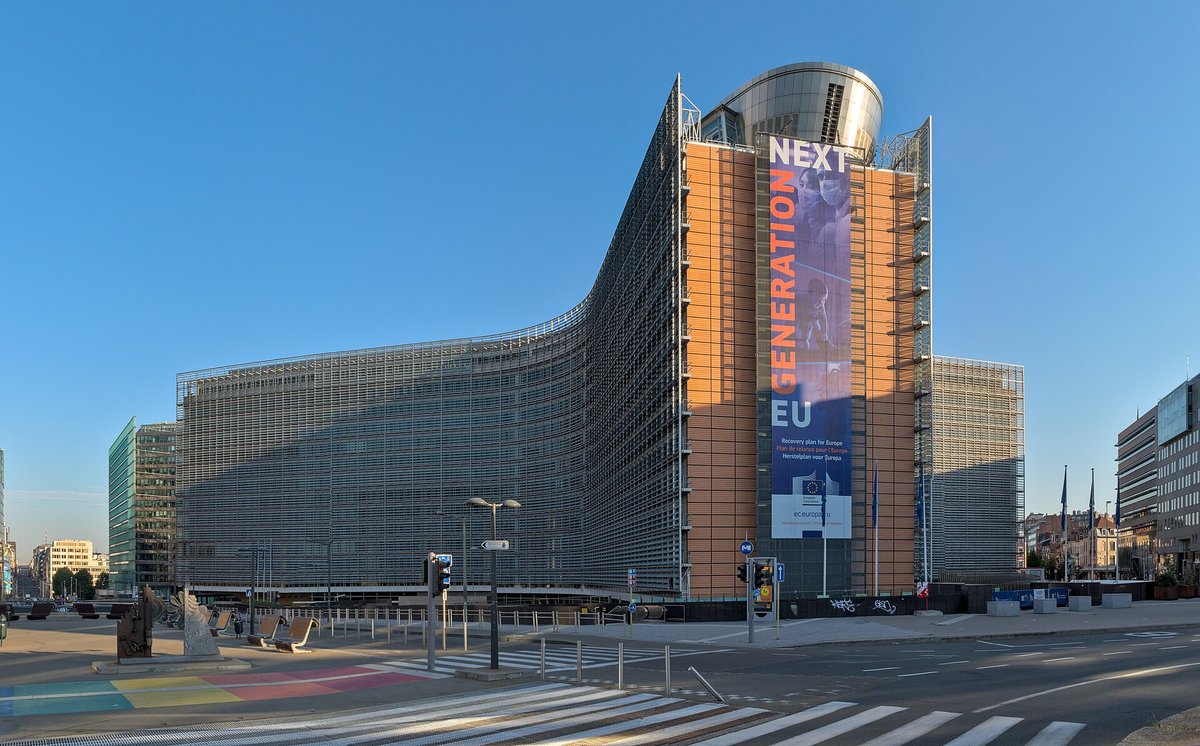
More info →Council of the EU
The body in which the governments of member states sit.
Why here: In its position, it removed mandatory scanning and is pushing a "voluntary" scheme.
Signal
A communication app with end-to-end encryption, the benchmark for private messaging.
Why here: A symbol of what mandatory scanning would weaken — according to EDRi, the current texts are not meant to force it to weaken encryption.

Markéta Gregorová
Czech MEP for the Pirate Party, a long-standing critic of blanket surveillance.
Why here: She remains the leading face of opposition to Chat Control in the Czech space.
More info →What is being decided on Monday
The Cypriot presidency has scheduled what is likely the final trilateral negotiation (trilogue) between the Parliament, the Council, and the Commission for June 29. However, the organization European Digital Rights (EDRi) warns that the negotiations are already facing delays and that "a summer deal is becoming increasingly uncertain." If the text is not closed on Monday, the file will drag on further. EDRi ↗The Council backed off, the Parliament wants narrow limits
The Commission's original proposal envisioned mandatory scanning even within encrypted apps. In its position, the Council removed the mandatory "detection orders" and is proposing a permanent "voluntary" scheme similar to the temporary exemption from 2021, with the text, according to EDRi, not meant to force companies to weaken encryption. EDRi ↗The Parliament, for its part, insists that scanning should only be narrow — based on "reasonable suspicion of a criminal offense" and with judicial authorization, not blanket scanning. It confirmed this line back in March as well, when it voted by a wide majority (458 in favor, 103 against, 63 abstentions) for a strictly limited form of the temporary exemption and also pushed through safeguards for verifying users' age. EU Perspectives ↗
Why this isn't "scanning everything" — and why it's still concerning
This is precisely why the most alarming claims circulating online — including versions claiming that someone has "steamrolled" the European Parliament and that mass surveillance will begin on Monday — are exaggerated. The current texts from both the Council and the Parliament declare protection of encryption. The critics' real concern is more subtle, but serious: that "voluntary" scanning of private messages itself — backed by risk assessments and age verification — is a problem and could become the norm over time. TechRadar ↗Czechia holds back, Germany and Denmark are shifting
Member states are divided. According to EDRi, those rejecting mandatory scanning include Poland, the Netherlands, and Czechia — the closest signal for Slovak and Czech readers as to where the game is breaking. Conversely, Denmark, which initially pushed for mandatory scanning, backed off last November, and Germany, according to EDRi, reportedly withdrew its earlier data-protection objections. EDRi ↗The face of opposition in the Czech space remains MEP Markéta Gregorová. The paradox of France rejecting a police backdoor at home while pushing surveillance forward in Brussels we covered in a separate article.